Hiking and Trekking Mont Blanc
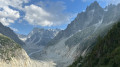
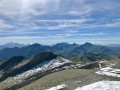
The Mont Blanc massif lies across France, Switzerland and Italy and is one of the most spectacular mountain regions in Europe. The highest point is Mont Blanc itself, rising to 4,806 metres and making it the tallest mountain in Western Europe. Covering around 400 km², the massif stretches from the Clochers d’Arpette in Switzerland to Mont Tondu in the south of France. Today, the area is famous worldwide for activities such as the Mont Blanc climb, the Mont Blanc trek, and a wide range of scenic routes for anyone planning a Mont Blanc hike in Europe.
The massif is bordered by several surrounding mountain ranges: the Aiguilles Rouges to the north-west, the Giffre to the west, the Beaufortain to the south-west, the Grées to the south-east and the Pennine Alps to the east. Together, these ranges form one of the most iconic alpine landscapes for a Mont Blanc walk or multi-day trekking adventure.
Best Areas for a Mont Blanc Hike
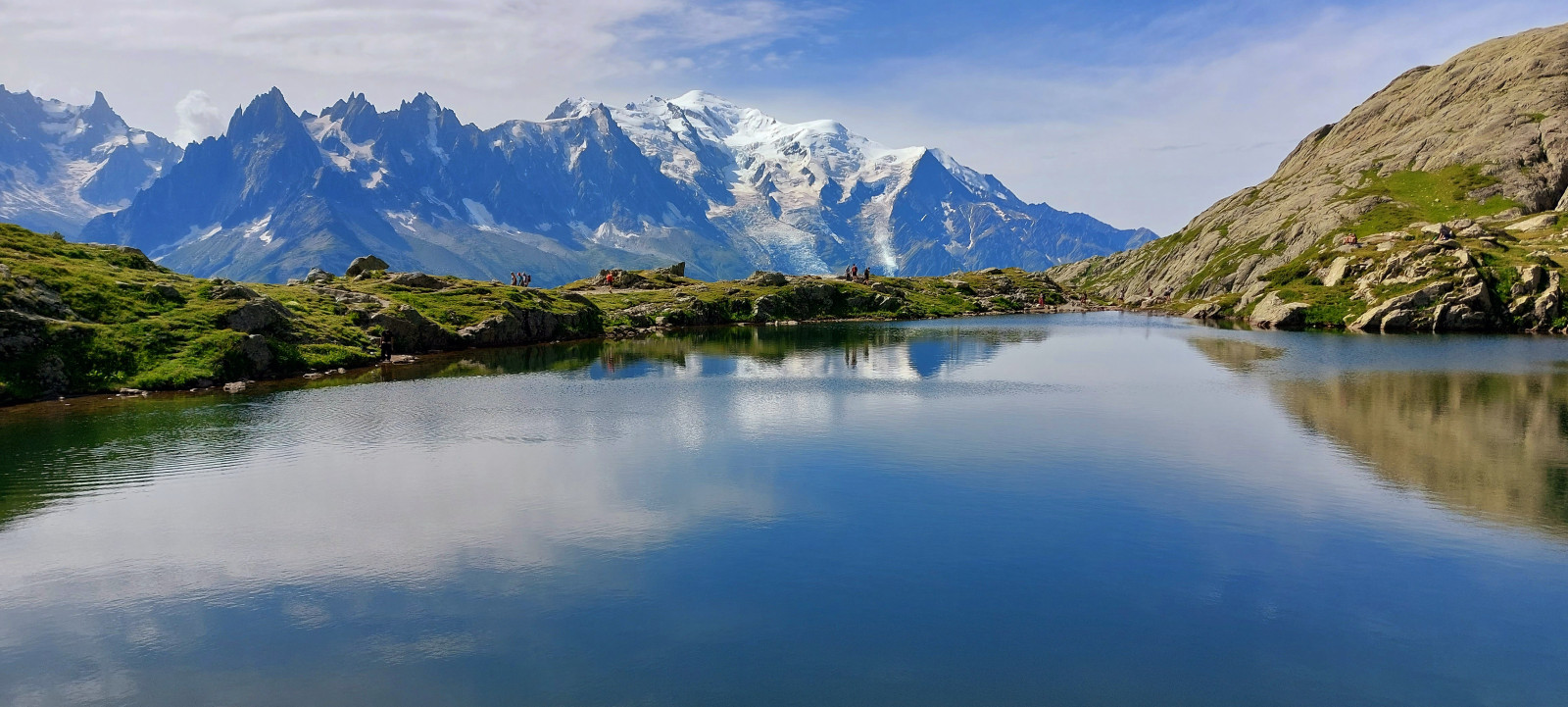
The Mont Blanc massif can be divided into several key zones that are popular with walkers and mountaineers. These include the Aiguilles d’Argentière, the Grandes Jorasses, the Aiguille Verte, the Aiguilles of Chamonix, Mont Blanc itself and the Dômes de Miage. Each of these areas offers different opportunities, from gentle scenic walks to challenging alpine ascents and the famous Mont Blanc climb.
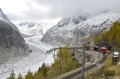
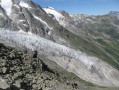
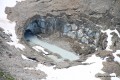
At the foot of the Aiguille Verte lies the famous Mer de Glace glacier, which can be reached on a rewarding Mont Blanc walk starting from Chamonix. The route passes the Refuge du Plan de l’Aiguille before returning via the Vallée Blanche exit path. Visitors will also find a museum and an ice cave where natural crystals are displayed. Those who prefer an easier option can take the Montenvers mountain railway to reach the glacier.
Hiking Around the Aiguilles of Chamonix
Several routes allow hikers to explore the dramatic peaks known as the Aiguilles of Chamonix, including the famous Aiguille du Midi, which can be reached via a cable car.
On the opposite side of the Bossons Glacier, more adventurous hikers can attempt the ascent of Mont Corbeau and Bec du Corbeau on the Montagne de la Côte. Further south, experienced mountaineers may attempt the legendary Mont Blanc climb via the Aiguille du Goûter route. For part of the journey, climbers can take the Mont Blanc tramway before continuing the ascent on foot.
Dômes de Miage and Scenic Mont Blanc Treks
The refuge near the Dômes de Miage offers many opportunities for scenic Mont Blanc treks. Several paths cross the slopes of the massif and allow hikers to reach the Refuge de Tré-la-Tête via the Claudius Bernard trail. From there, the route can continue to the Refuge des Conscrits, which overlooks the Tré-la-Tête Glacier.
Circular Mont Blanc hike routes are also possible. These multi-day trails are popular for hikers looking for a classic Mont Blanc hike in Europe with panoramic alpine scenery.
Peaks, Passes and Cycling Routes
Besides Mont Blanc itself, the massif includes many other summits with varying altitudes. These include Col de Balme (2,195 m), Le Prarion (1,969 m) and The Wind Rock (2,360 m). Many of these peaks can be included in longer Mont Blanc treks or day hikes.
Several high mountain passes are also located within the region and are popular with cyclists as well as hikers. These include the Col des Montets at 1,461 m and the Col de la Forclaz at 1,527 m. Villages and ski resorts such as Les Contamines-Montjoie can also be reached by bike, and cyclists can continue to the Notre-Dame de la Gorge chapel at the end of the D902 road.
Glaciers and Natural Landscape
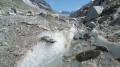
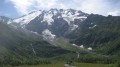
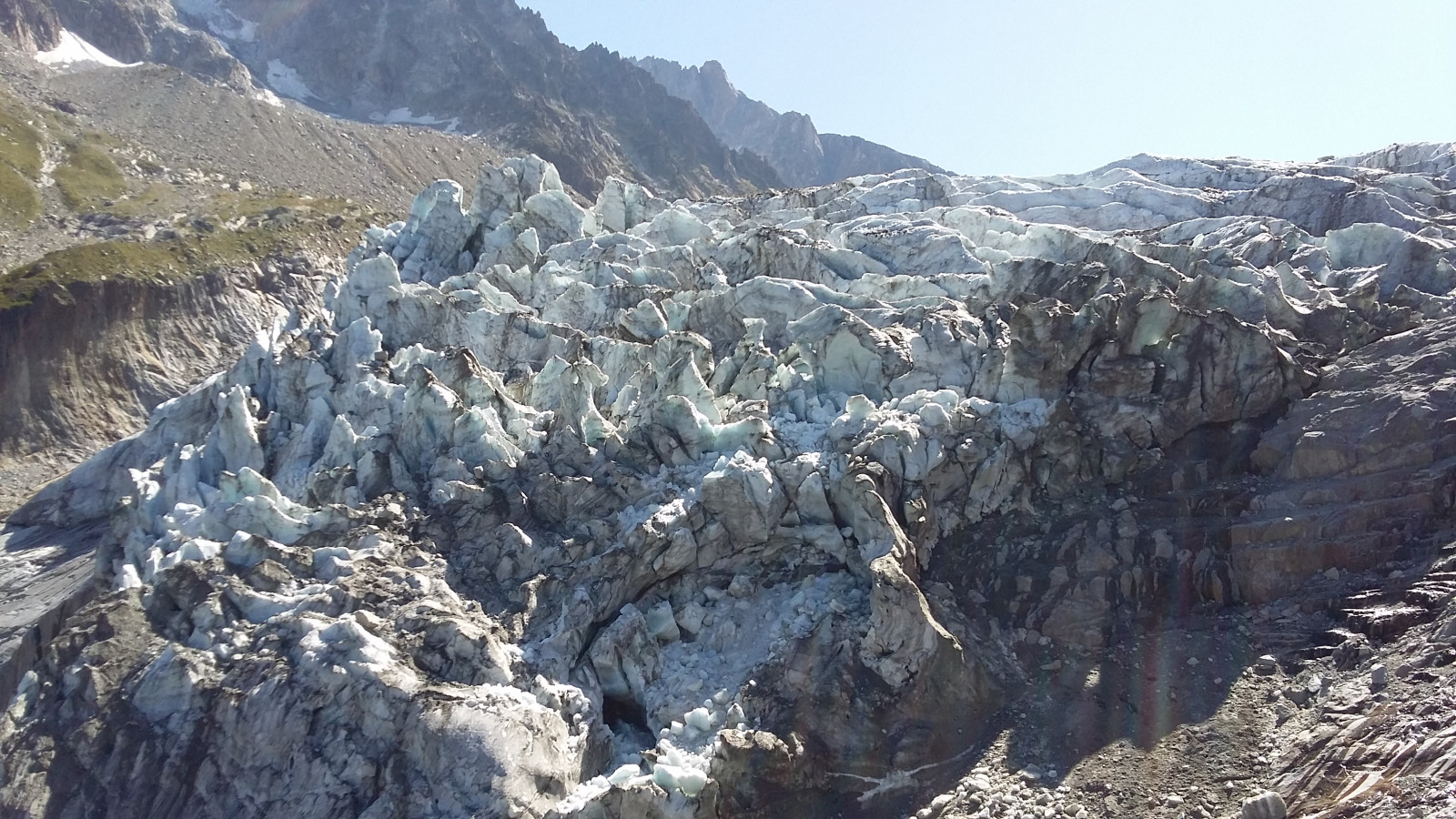
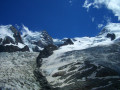
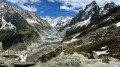
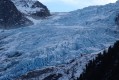
The central part of the massif is dominated by large glaciers, including the Mer de Glace and the Argentière Glacier. These glaciers are a highlight of many Mont Blanc walk routes and scenic viewpoints. The entire mountain range is surrounded by powerful alpine rivers and torrents such as the Arve, the Rhône and the Val Veny.
Geology, Flora and Wildlife
Geologically, the Mont Blanc massif is an external crystalline massif composed mainly of granite and gneiss. These mountains differ from other alpine ranges because they have experienced less tectonic overthrusting.
Despite the steep slopes and glacial terrain, several vegetation zones exist. Conifer forests grow in the subalpine zone, alpine meadows dominate the alpine zone, and the highest elevations belong to the nival zone with permanent snow.
The wildlife of the region includes animals well-adapted to mountain environments. Mammals such as foxes, chamois, red deer and roe deer can be found in the massif. Among birds, the golden eagle remains the most iconic species often spotted during a Mont Blanc Walk, Mont Blanc hike or Mont Blanc trek in this remarkable part of the European Alps.
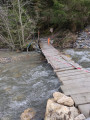
 Bionnassay Glacier footbridge - Col de Voza
  Visorando Member


 Moderate
 Difficult
 Very difficult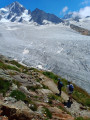
 Association / Club / Walk leader
 Easy
Easy